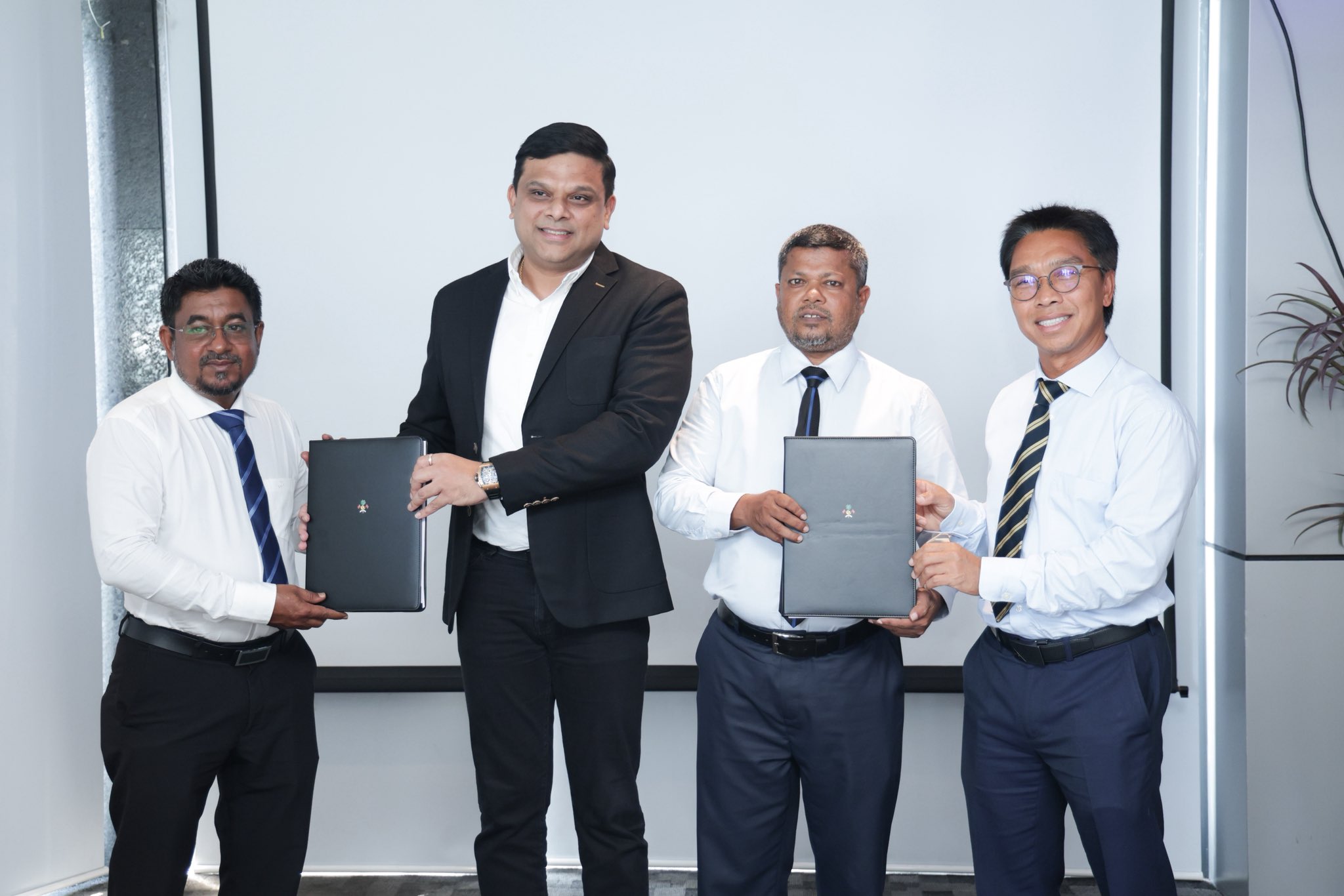
The CEO of Maldives Industrial Fisheries Company (MIFCO), Ahmed Shamah Rasheed, and members of the Privatization and Corporatization Board (PCB) are scheduled to be summoned to the Parliament's State Owned Enterprises (SOE) Committee tomorrow.
MIFCO stated that the parliament office has sent a letter requesting attendance at the committee. The committee will commence tomorrow at 13:15. Accompanying Shamah to the committee will be Acting Head Muaz Ali and Deputy Manager of Public Relations and Media Ibrahim Saeed.
The decision to summon Shamah and PCB members to the SOE Committee for questioning was made during the committee meeting held last Wednesday. The matter was submitted to the committee by the MP for Dhaandhoo constituency, Yauqoob Abdulla. The proposal was supported by the MP for Maafannu Medhu constituency, Ibrahim Rasheed. During that day's meeting, it was decided to investigate the suspension of the MIFCO CEO by placing the matter on the agenda for the next session.
Shamah was suspended last Monday, reportedly to conduct a full inquiry into corporate governance-related issues submitted to the PCB. The PCB stated at the time that he was suspended after considering the circumstances outlined in Article 25(b)(1) of the rules regarding the code of conduct, complaints, and disciplinary actions for directors of state-owned enterprises.
In a letter sent to Shamah by the PCB on February 29, it was noted that MIFCO had committed 12 acts in violation of the Corporate Governance Code and PCB regulations, and he was instructed to rectify them.
Among the issues highlighted by the PCB were the blatant use of company property and resources for personal and political purposes, unfairly removing permanent employees from their job responsibilities, workplace intimidation, demoting and reducing the salaries of employees in permanent positions without any reason contrary to employment laws, and transferring employees to other departments and company sites in different islands without cause.
Additionally, the letter noted the hiring of individuals with family ties to the CEO and friends contrary to the company's hiring policies and salary structure before a budget was approved, hiring employees under the guise of headhunting against best practices and governance rules without regard to qualifications, without public announcement, and without completing procedures, creating company positions and hiring for them without PCB approval, and appointing individuals without adequate education and experience as heads of departments contrary to regulations.