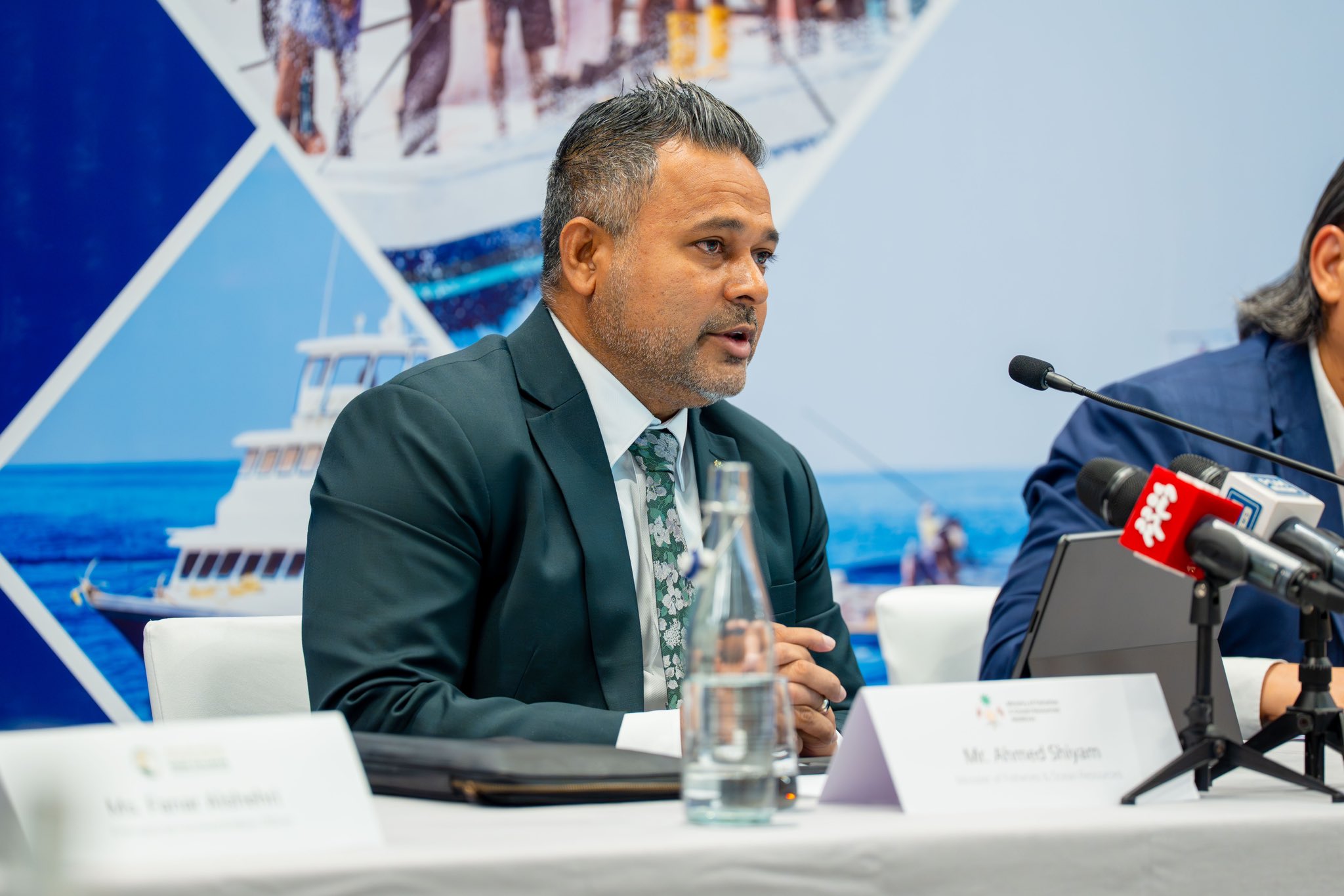
The installation of Refrigerated Sea Water (RSW) systems on fishing vessels will enable self-sufficiency in maintaining the quality of the catch, according to Minister of Fisheries and Ocean Resources Ahmed Shiyam.
The Minister made these remarks at a press conference held yesterday in Barcelona, jointly organized by the Ministry of Fisheries and Ocean Resources and the Lives and Livelihoods Fund (LLF).
The Minister stated that the biggest challenge historically faced by fishermen has been the difficulty in easily obtaining ice, which has increased the distance fishermen have to travel to find ice and resulted in significant expenses. Furthermore, establishing RSW systems on vessels will further develop the fisheries sector, increase fishermen's income, and bring an end to the hardships fishermen previously endured to obtain ice, the Minister said.
Highlighting that the objective of the RSW project is to provide sustainable and energy-efficient technology to fishing vessels, the Minister noted that this system will achieve self-sufficiency in maintaining the quality of the catch. He also emphasized that establishing this system on vessels will be a revolutionary change for the fishing industry and will increase fishermen's income.
With funding from the Maldivian government and LLF partners, this USD 13.61 million project aims to address the main challenges facing the Maldivian fisheries sector while introducing sustainable technologies and opening new opportunities for sustainable growth. Under this project, opportunities will be provided to install Refrigerated Sea Water (RSW) systems and solar PV on fishing vessels. This will reduce diesel consumption and greenhouse gas emissions, and significantly improve fish quality.
In addition to upgrading infrastructure, this project will strengthen the entire value chain and business relationships. It will also empower women and youth in the sector and increase the volume of Maldivian fish entering the international market.
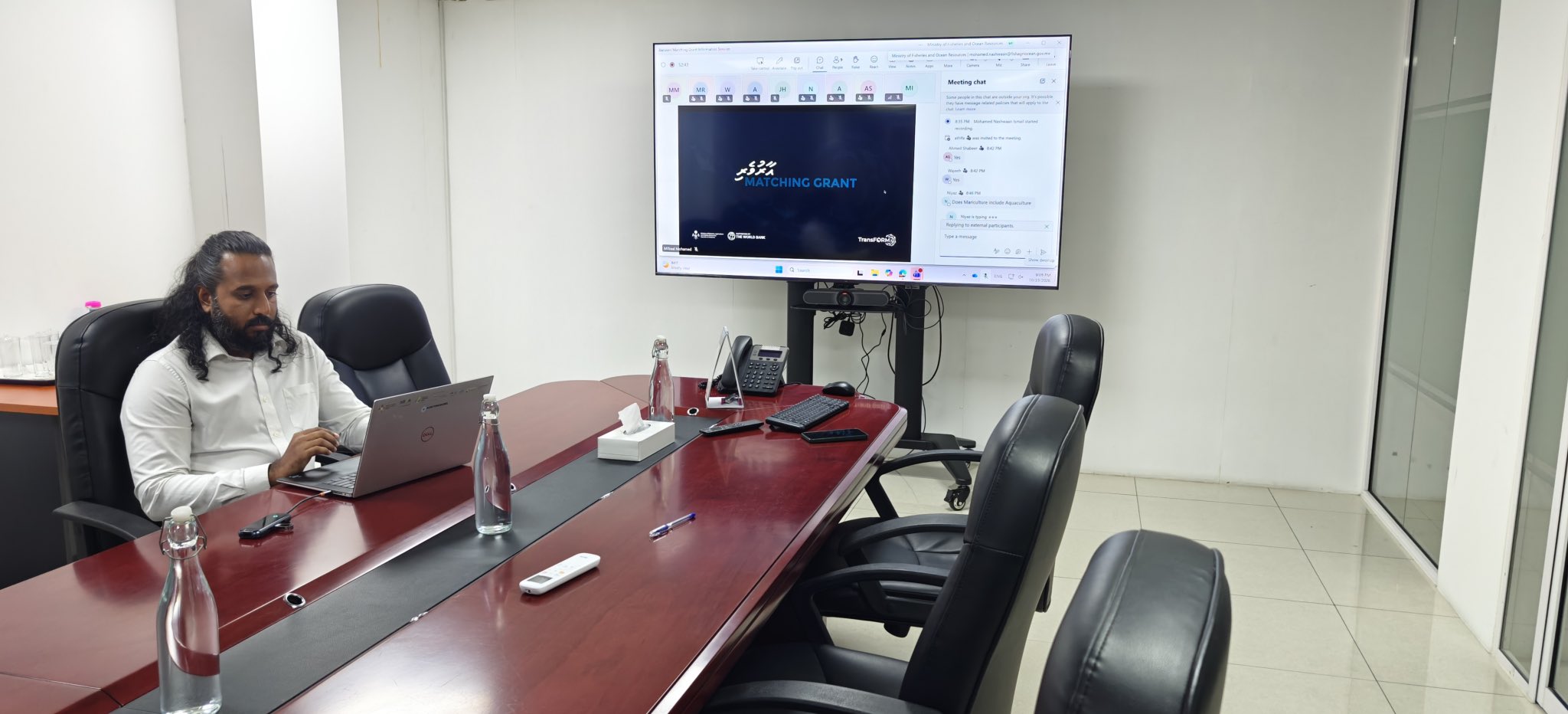
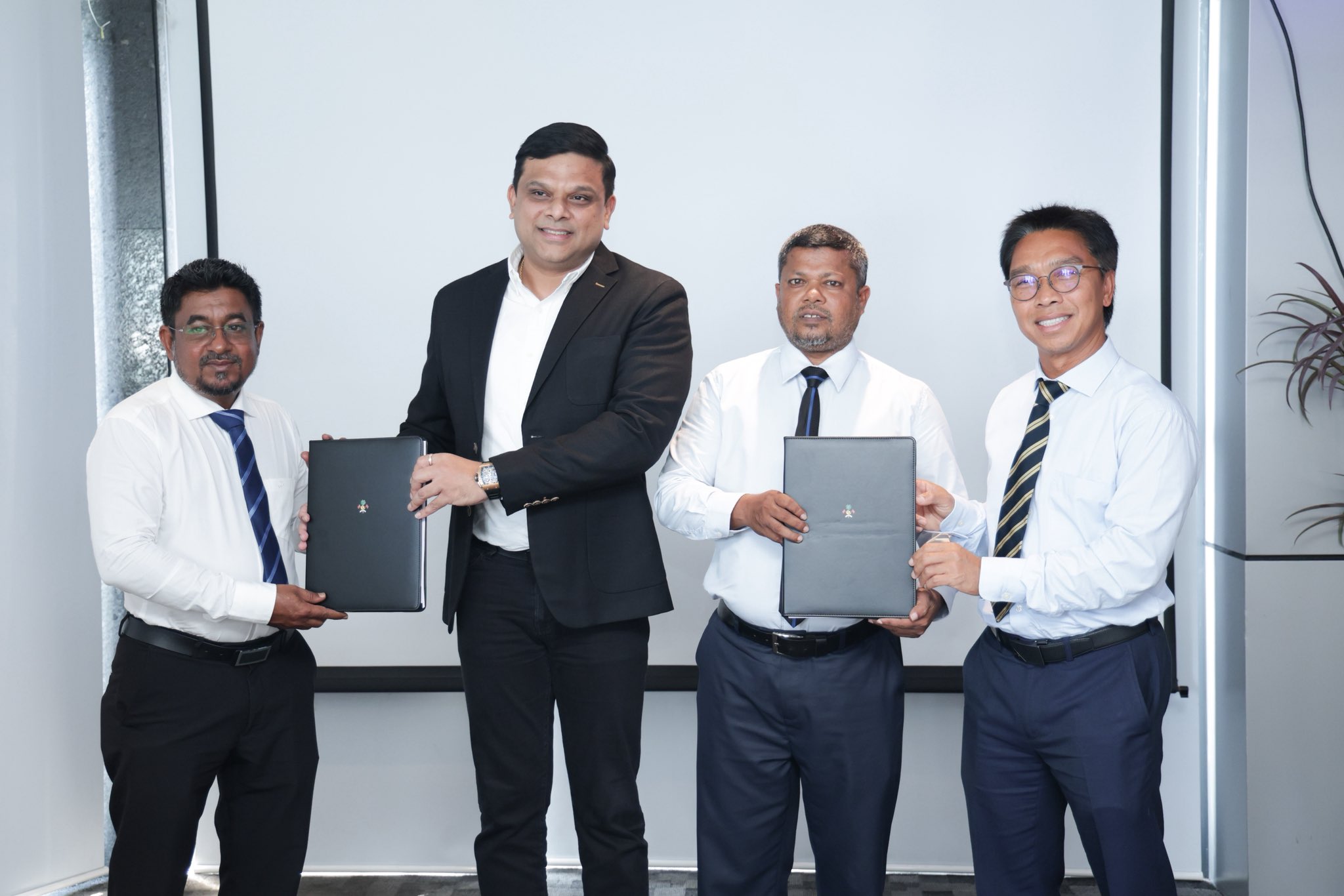
So far, 79 financing applications have been submitted for this project, of which 41 have been approved. By the time the project concludes in 2026, it will have assisted 200 small and medium enterprises, established 1.6 megawatts of renewable energy capacity, and facilitated the creation of 3,000 tonnes of high-quality fish storage capacity, according to the Ministry of Fisheries. These outcomes will increase fishermen's income by at least 10 percent and provide Maldivians with access to local and international markets.