Maldives Industrial Fisheries Company (MIFCO) Chief Executive Officer (CEO) Ahmed Samah Rasheed has been dismissed from his post.
The Privatization and Corporatization Board (PCB) announced his dismissal from the post of MIFCO CEO in a post shared on "X" tonight. The post stated that Samah has been dismissed from the post of CEO and as a director of the MIFCO board effective today. However, the reason for his dismissal was not stated.
We have dismissed Mr. Ahmed Samah Rasheed, who was serving as the CEO of MIFCO, from that post and from the directorship of the MIFCO board effective today.
— Privatization & Corporatization Board (@pcb_gov) May 21, 2024
He was suspended from March 18 to April 21 this year, citing circumstances under Article 25 (b) (1) of the rules on the code of conduct, complaints, and disciplinary action for directors of state-owned enterprises, in order to conduct an inquiry regarding issues submitted to the board and through the PCB's whistleblower portal. Although it was stated that an inquiry would be conducted against him following the suspension, it is unclear whether the inquiry took place. The PCB later lifted his suspension and granted him permission to return to work on April 24.
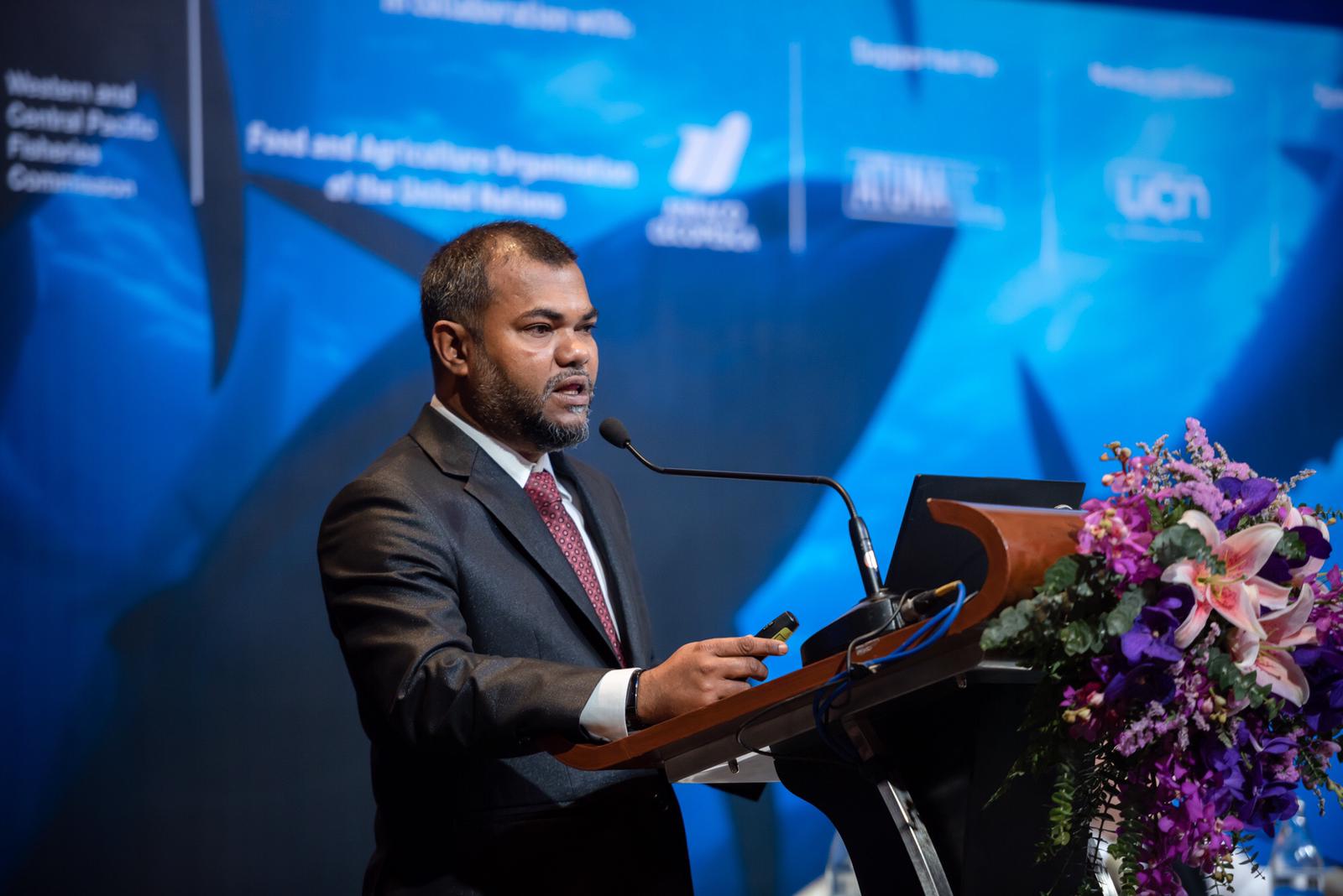
Samah is currently in Thailand to participate in the InfoFish World Tuna Trade Conference and Exhibition.
The allegations made against Samah by the PCB included the blatant use of company property and resources for personal and political purposes, unfairly removing permanent employees from their job responsibilities, workplace intimidation, demoting permanent employees and reducing their salaries without any reason in violation of the Employment Act, and transferring them to other departments and islands where company sites are located without cause.
In addition, it was noted that he hired relatives and friends in violation of the company's recruitment policies and salary structure before a budget was approved, hired employees under the guise of headhunting in violation of best practices and governance principles without considering any qualifications, without public announcement, and without completing procedures, created company positions and hired people for those positions without obtaining PCB approval, and appointed individuals without adequate education and experience as heads of departments in violation of regulations.