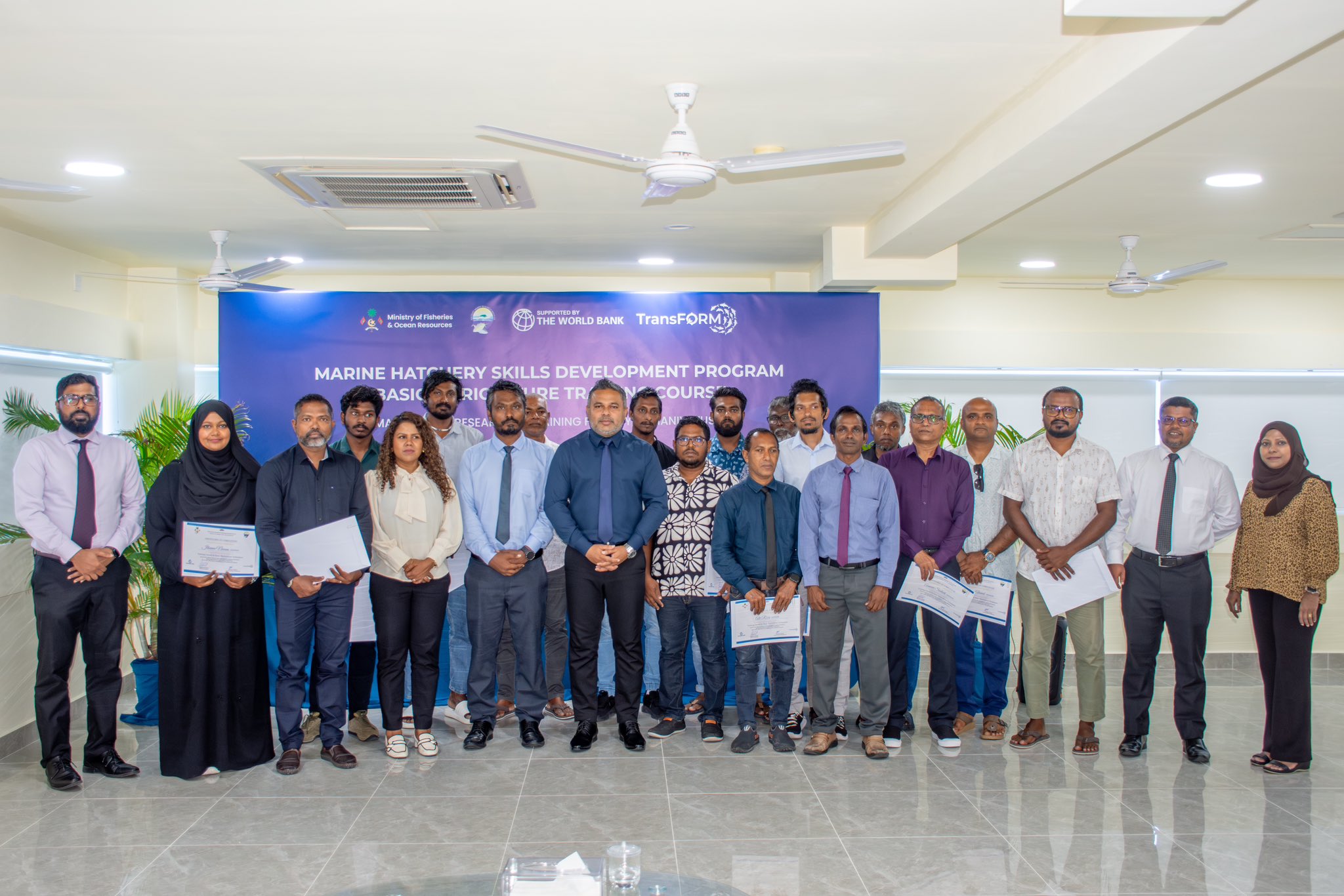
15 participants have completed the Basic Mariculture Course conducted under the Marine Hatchery Programme launched during the government's Week-14 initiatives.
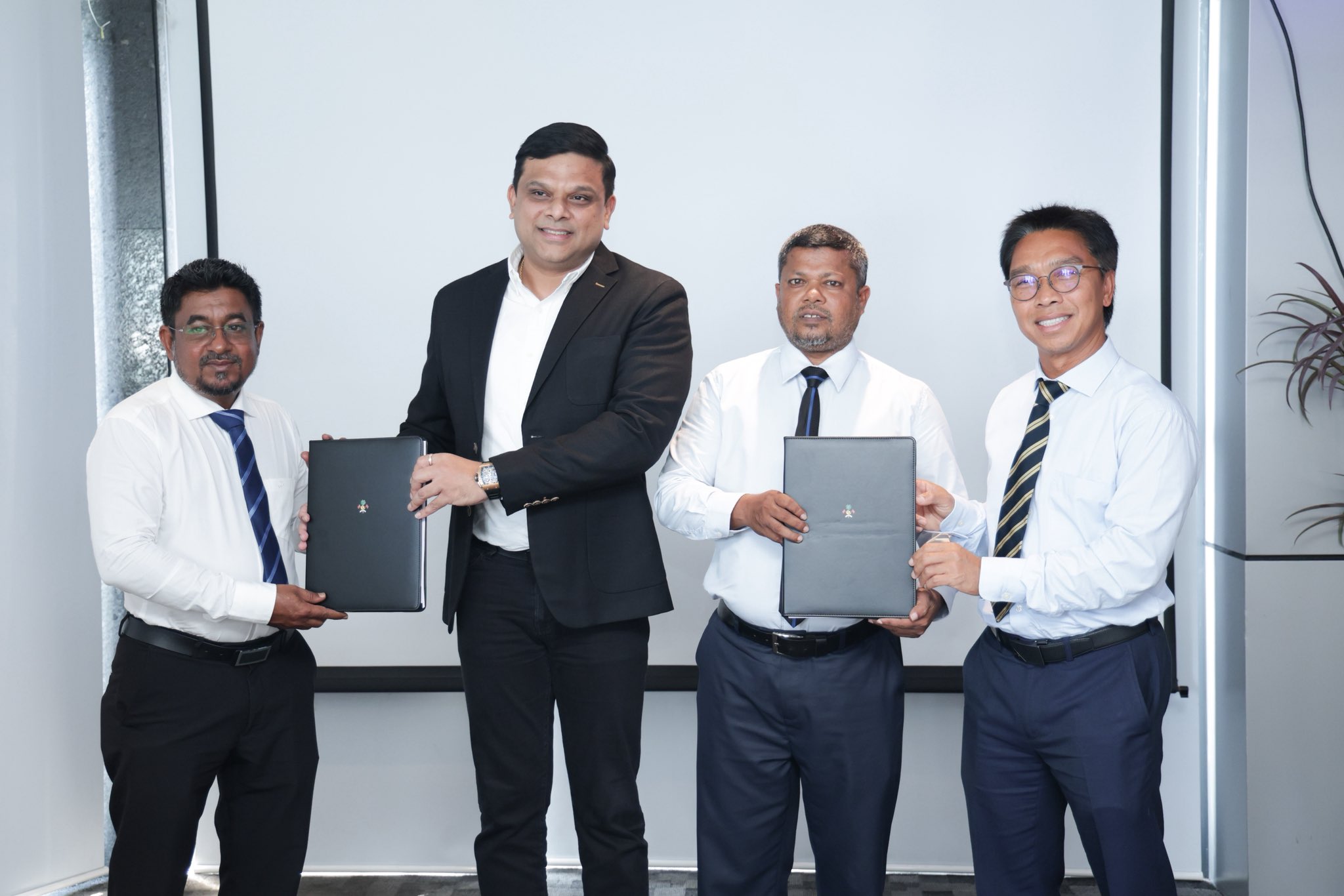
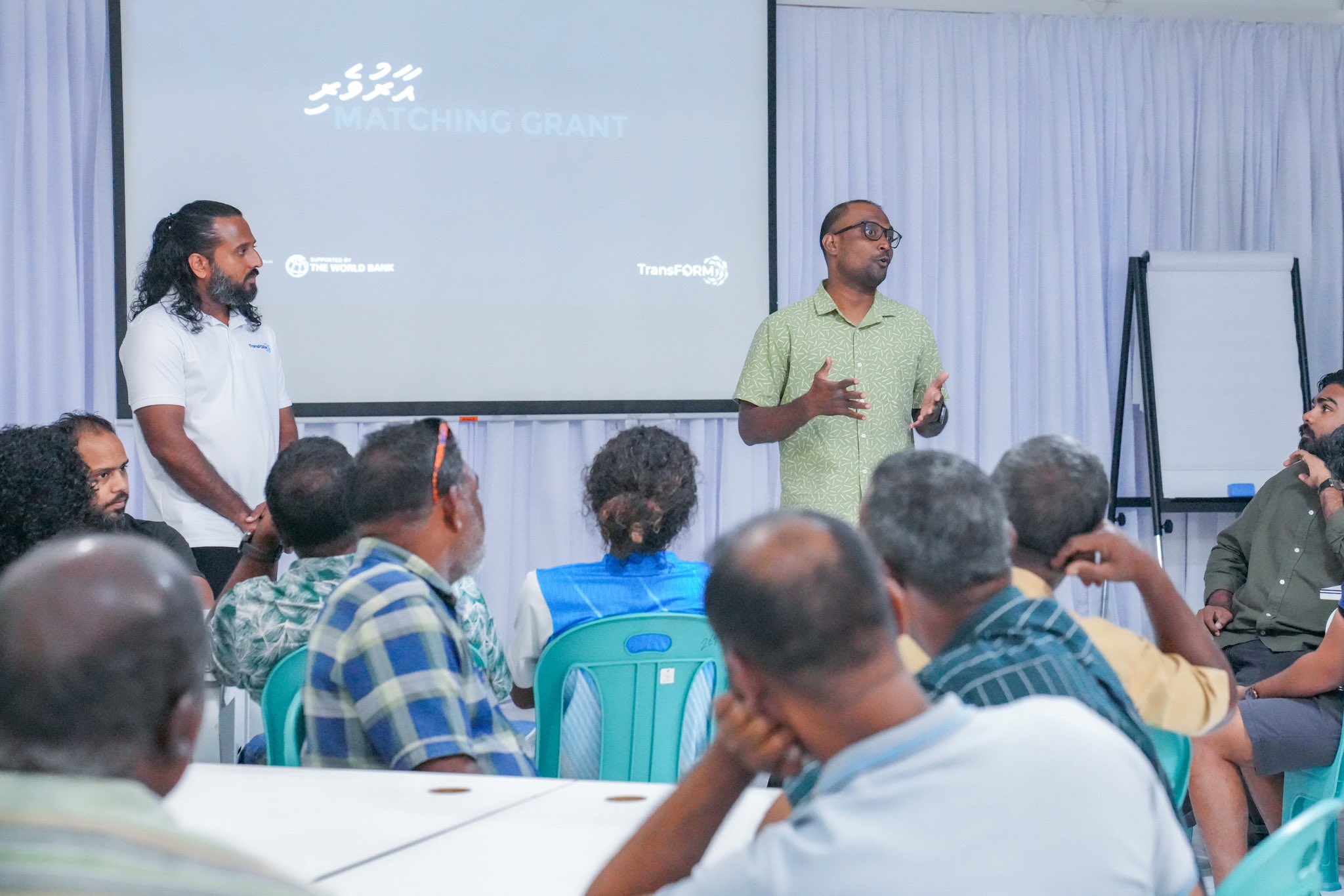
Organised by the Maldives Marine Research Institute (MMRI), the third batch of the "Basic Mariculture Training Course" was held at the K. Maniyafushi Training Institute from 26 April to 8 May. A total of 15 participants from 10 regions of the Maldives, including the Male' area, completed the course. This included one female participant. Certificates were handed over to the graduates by Fisheries Minister Ahmed Shiyam at a special ceremony held this morning at the K. Maniyafushi Training Institute. Senior officials from the Fisheries Ministry and MMRI attended the ceremony.
Speaking as the chief guest at the graduation ceremony, Fisheries Minister Ahmed Shiyam stated that the aquaculture industry had never been developed to the required scale in the past. However, with the commencement of this government, there is a strong intention to undertake numerous efforts to advance this industry, and MMRI is carrying out the necessary work to train people for this field. In this regard, the Minister noted that efforts are underway to make the Basic Mariculture Course a certified programme that fits into the educational system framework.
"With an important initiative by the President, a Fisheries College has now been established under the umbrella of MNU. MMRI is working with MNU to see if this course can be elevated to a certificate level. God willing, this will be achieved. Then, an accredited certificate will be provided," the Minister said.
This course, which includes mariculture theory and practical experience, is a training programme aimed at building Maldivians who will be involved in the mariculture sector to pave the way for establishing a sustainable marine aquaculture, or mariculture industry, in the Maldives. The course covered aquaculture systems, live feed cultivation, and the breeding of grouper, sea cucumber, Maldivian clownfish, and pearl oysters. It also provided information on identifying and preventing diseases in cultivated species, and conducting mariculture activities with minimal environmental impact. Additionally, participants gained practical experience in breeding grouper, sea cucumber, and clownfish.